

By: Gabriela Sundquist
Read Time: 14 minutes
Content Warning:
Domestic violence, harm to a child, and mention of child pornography. Reader discretion is advised.
Possibly one of the most consequential murder cases of all time was consequential because of gross exaggerations and some significant inaccuracies in the media. The name Kitty Genovese is one that is well known. It pops up in news articles, psychology books, and more. But the story of Kitty’s life was much different. It got beat and buried underneath the tale of 38 witnesses.
This is her story:
March 13th, 1964
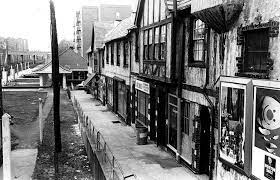
Catherine (Kitty) Genovese was driving home from work on the cold night of March 13th, 1964. It was about 3 a.m. and she was done with her shift as bar manager at Ev’s 11th Hour. She was making her way home to Kew Gardens, her little neighborhood in Queens, New York. It seemed to be a little hamlet in the middle of the bustling city of Queens, far removed from the noise. While crime rates were up in New York, they were low in Kew Gardens. Many people would never even lock their doors. As one of Kitty’s neighbors, Mr. Corrado explained, “I used to say, gee, nothing ever happens in Kew Gardens, and all of a sudden this nightmare.”
As Kitty stopped at a red light she pulled up next to one Winston Moseley. And he was on the hunt for a woman to attack. He spotted Kitty and tailed her into Kew Gardens. She parked her car and started to run for her apartment down Austin Street. He followed her on foot. When he caught up to her he stabbed her in the back, and she let out a blood-curdling scream. He then stabbed her twice more. She started screaming “He stabbed me. Please help me! Please help me!” A window from the Mowbray building opened and a man screamed, “Leave that girl alone!” At this point, Moseley booked it and left a stumbling Kitty in the parking lot.
I imagine at this point, Kitty felt a large wave of relief. Not fully safe yet, but her attacker was gone and she made her way to her apartment. Her neighbors looked out the window to see what all the ruckus was about to see a stumbling woman, alone, walking to the back entrance of her apartment building.

Meanwhile, Moseley went to his car and moved it to a more discreet location, and changed his hat. While Kitty may have been feeling a sense of relief, Moseley wasn’t going to give up. Later Moseley told police, “I had a feeling this man would close his window and go back to sleep.”
About 40 minutes later, Moseley made his way back to the parking lot and found Kitty collapsed in the foyer at the back entrance of her building and finished what he had begun on Austin Street. At one point, one of Kitty’s neighbors, Karl Ross, opened the door at the top of the stairs to find this horrific scene. Once again, I can imagine what Kitty must have been feeling. She was going to be saved. Help was on the way.
Karl Ross ran off and let the door shut once again. He bolted back to his apartment and made a call. But no, it was not to the police. He called his girlfriend and told her the horrific scene he had just witnessed. She told him not to get involved.
Moseley stabbed and slashed Kitty and then left her in the cold foyer at the bottom of the stairs, bleeding out, alone once again.
the story heard ’round the world
Abe Rosenthal, the editor of The Times met Michael J. Murphy, the Police Commissioner for lunch. Murphy then told Rosenthal how Kitty’s murderer had been caught and how there were 38 witnesses. Kitty’s case hadn’t been of particular interest for The Times before this lunch, but now it was their biggest lead and top story.
Rosenthal assigned Martin Gansberg to the story just that afternoon. Gansberg starts the article, “For more than half an hour 38 respectable, law-abiding citizens in Queens watched a killer stalk and stab a woman in three separate attacks in Kew Gardens.” He then went on to depict several neighbors and their completely apathetic responses to why they didn’t help Kitty. Thus began the frenzy around Kitty Genovese and the apathy of Kew Gardens.
the resounding boom
For the next 30 or so years, this story horrified the American public. How could this have happened? Was Kew Gardens an inherently evil place, or was society as a whole falling? That same year The Nation writes, “Anger is directed, not toward the crime, nor the criminal, but toward those who failed to halt the criminal’s actions.”
On February 8, 2004, an article titled “Kitty, 40 Years Later” came out in the New York Times. The author Jim Rasenberger states, “The case quickly expanded into an all-consuming metaphor for the ills of contemporary urban life. A psychiatrist speculated that television had rendered the witnesses inactive by making them almost delusional. Other observers cited a general moral collapse of modern society… Nowhere was the case more affecting than among America’s psychologists.”
The story of Kitty’s last night and the frustration with the witnesses consumed the country for several decades. It became a staple story and study in psychology courses and was a common topic of discussion in politics and pop culture. It was everywhere.
But what if the article that all of this noise was surrounding turned out to be largely exaggerated and inaccurate? What if Rosenthal and Gansberg saw the potential for a story larger than life and decided to write it, despite the true facts and happenings of March 13th, 1964?
questioning the story
In that same article, Rasenberger details how many of the claims that Gansberg made in his original article didn’t hold up against time or evidence. He states, “Some Key Gardens residents maintain, even now, that there were fewer than 38 witnesses and that many of them could not have seen much of the killing — in other words, that there was less cold-heartedness in Kew Gardens than has been commonly portrayed.”
There have been many discrepancies between Gansberg’s original article and what is true including the number of attacks, the number of witnesses, and the involvement of those witnesses.
It was found that while Gansberg reported that not one neighbor called the police, that wasn’t quite true. Several of the neighbors called the police, but the police log for that night only had one call recorded from long after Moseley had gone. That caller was Karl Ross.
One of the neighbors later reported that she had called the police and they wouldn’t even let her get her statement out saying that “They had gotten the other calls.”
While it’s hard to know nearly 60 years after the incident what truly happened, it proves even more difficult when the original report is full of lies and misconceptions. Especially when there were many other reports and articles from other sources retelling the same inaccurate details and assumptions.
Bill Genovese, Kitty’s little brother dug into this story, shedding light on some of the truth that was lost. He spoke with a reporter who had spoken to Martin Gansberg. The report said he asked Gansberg “Why didn’t you include in your story the fact that many witnesses did not believe a murder was taking place?” Gansberg then retorted, “It would have ruined the story.”
Bill then asked this reporter and several others why they didn’t further investigate this story, and why they didn’t question Rosenthal and Gansberg. But it was ‘The Times’. They were the king of the jungle, the big fish in the sea. All of the other reporters were terrified to lose their jobs if they spoke out against anything The Times reported.
Bill Genovese and His Search for Truth

Bill Genovese, Kitty’s younger brother, was 16 at the time of her murder, and they were very close. Bill and his family avoided most everything about Kitty’s murder. They were too shocked and horrified to know the details. In fact, her life became overshadowed by her death in her family’s eyes. They didn’t have true closure with her death which meant they couldn’t really celebrate her life. So Kitty became a distant painful memory in her family member’s past.
But Bill was different. He needed answers and closure to move on. And he was going to investigate and find those answers. He worked with producer, James D. Solomon to find the truth and then give that truth back to the world. After years of hard work and many painful revelations, on October 6, 2015, their documentary called “The Witness” brought the truth to light.
Kitty’s Death Determined Bill’s Life

The way that his sister’s life ended pushed him in a certain direction in life. He graduated high school two years later and the Vietnam War was going on. His classmates were all looking for ways to get out of serving in the army. Bill on the other hand refused to be a compliant onlooker as Kitty’s neighbors were. He states, “Whether the war was right or wrong I couldn’t help see [my classmates] as apathetic bystanders. I wasn’t going to be like the 38 witnesses, so I enlisted in the Marines.”
Bill’s wife describes that all of his decisions his entire life have been fueled and affected by Kitty’s death and the fact that no one helped her when she needed it the most. “He’s looking for peacefulness. And if he knows the truth, that will be the closure and peacefulness he needs.”
But the journey to that closure was more painful and life-altering than I’m sure he imagined it would be. When Bill found that the original New York Times article wasn’t completely factual, he said, “For me to hear that is just shocking because I grew up and moved in certain directions based on this story being fact.”
the true Events
While Gansberg spun a tale of a crowd of apathetic watchers, the truth was much more nuanced and complex.
The truth included concerned neighbors who called the police, neighbors who were undoubtedly human in their response and one neighbor specifically who rushed to Kitty’s aid.
When first reading Gansberg’s article, I experienced a rush of anger at Kitty’s neighbors. How could they be so terrible and insensitive? But Bill Genovese brought the truth to light. He hunted down the listed witnesses and asked them again what happened the night of March 13th, all those years ago.
Many explained that they called the police and were told it was being taken care of. Others remembered speaking to the police but never being interviewed by the paper. Others still were shocked as Bill read to them what they had supposedly told the reporters from The Times. The amount of fabrication and lies weaved in the article became more and more apparent as Bill spoke with each witness.
While a witness’s account isn’t always reliable, it is sure to be even less reliable after so many decades. But whether the witnesses had created a story in their head they could live with, or whether The Times had twisted their words just so, it was clear that Kitty’s murder became a tale of myth rather than fact.
Additionally, as Bill spoke to these witnesses and read the witness reports, he discovered that many of the neighbors in Kew Gardens were actually Holocaust survivors. The initial decision to not get involved with Kitty could very well have come from that trauma they had experienced. In order to survive during the Holocaust, they had to be able to stay out of other people’s business.
Most importantly, the major fact that was left out of The Times was the fact that Kitty did not die alone. This fact would have made a world of difference for the family to know that she wasn’t alone in her last moments. It could have brought them healing that they had been missing for so many years.
Sophie Farrar
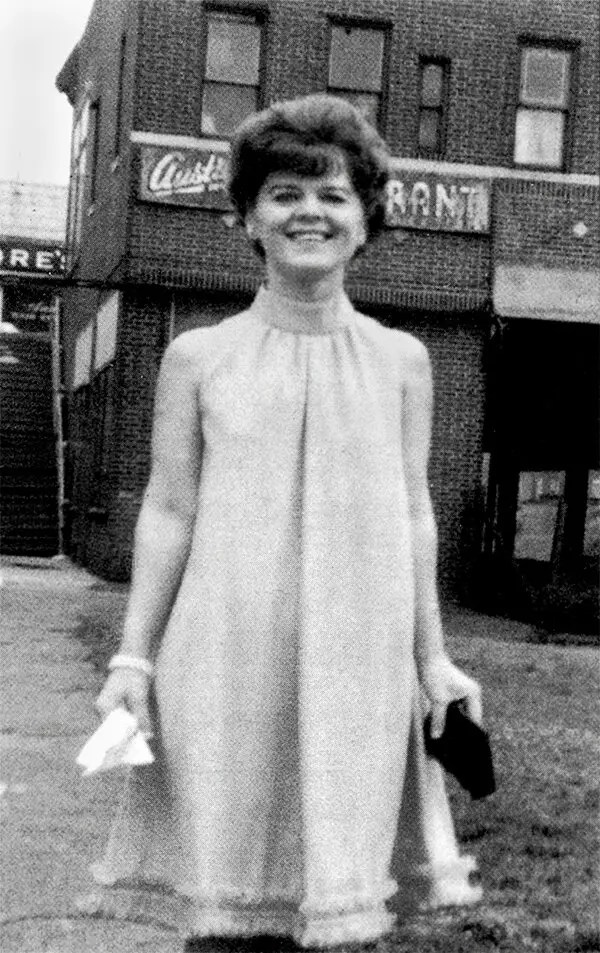
One witness account was particularly helpful for Bill in his journey for peace. He went to meet with Sophie Farrar, but she refused to speak with him. Instead, Bill met with Sophie Farrar’s son and asked about his remembrance of the night. Sophie was one of Kitty’s neighbors and close friends. Her son reminisced seeing them drinking tea and sharing gossip with one another often. He also remembers the night of Kitty’s death very clearly.
He recalled his mother throwing on her overcoat and racing out of the apartment when she heard Kitty was in the hall bleeding. She yelled to her husband to call 911 and she was gone. Her son then recounted her story to Bill.
When Sophie reached Kitty, she was still clinging on to life. Sophie scooped her up and held her in her arms. She could feel the stab wounds in her back. Kitty still had her hands up, fighting the air, fighting for life. Sophie spoke to her telling her she wasn’t alone. Kitty tried to respond, but she couldn’t speak, only broken gurgling. Not long later she died in her friend’s arms. She didn’t die alone.
She didn’t die alone as Bill and the Genovese family had always thought; as the press and media described it to be. This was a fact that had always tormented them, and it wasn’t even true.
Bill asked the son if reporters had ever spoken to Sophie. He said they came and got the whole story from his mother. How they asked if she’d ever do something like this again, and she told them that of course, she would.
Yet all they wrote was that there was a woman who got involved but she said she would never get involved again. The reporters and writers at The Times and the other news outlets had already had the story written before they ever spoke to anyone involved. This valuable and healing piece of the story was buried because otherwise, it would have “ruined the story”.
The True Monster: Moseley
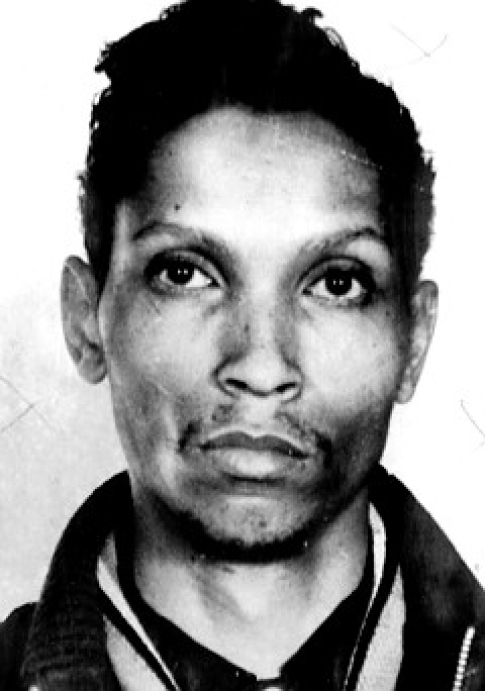
While I don’t want to spend too much time on Moseley, I do want to portray him as he is. He is a liar and murderer. In the words of the prosecutors and police that dealt with Moseley he was ice, calm, bright, manipulative, soft-spoken and nothing fazed him.
In Bill Genovese’s documentary “The Witness”, he accounts for multiple stories from Moseley. First, in 1977 Moseley wrote an editorial piece that The New York Times published, “Today I am a Man Who Wants to be an Asset.” In this piece he states, “The crime was tragic, but it did serve society, urging it as it did to come to the aid of its members in distress or danger.” He then goes on to say how prisoners are society’s responsibility as well. That prison is an evil place and he doesn’t belong. He begs to be let out stating that he’s a reformed man. He got a B.A. degree in Sociology. He goes on, “The man who killed Kitty Genovese in Queens in 1964 is no more. He was also destroyed in that calamity and its aftermath.”
His Web of Lies
While this article is infuriating, it is just one strand of his web of lies. He utilizes the article that Gansberg wrote in ’64 and puts the blame on the people. Then he urges the people to do the right thing this time. Redeem themselves by taking care of Moseley. What a twisted joke. And this was just the beginning of his manipulation.
He told his son, Steven Moseley that he just snapped. Racial tensions were getting high in the 60s. That part, while obviously true, was the only truth. Steven relayed to Bill that Kitty was spewing racial slurs at Moseley so he killed her. Bill shook his head in disbelief and looked up at Steven with sad eyes. “You know he killed another woman?” He paused as Steven shook his head no. “And the other woman was African-American.”
Yet, the lies continued.
Just a month after Steven and Bill sat down, Moseley reached out to Bill with a letter. (Even though he had previously refused to speak with Bill.) In this letter, Winston Moseley spun a tale describing how the story Bill and everyone else knew was all wrong. He said he was simply the getaway driver for the true killer, an Italian mobster named Dominic.
This man was indeed one with a sick desire to manipulate and lie to make himself look good. And this man died in prison at 81 on March 28. 2016, probably cold and alone, and hopefully afraid. And that’s all I have to say about him.
The Life of Kitty Genovese
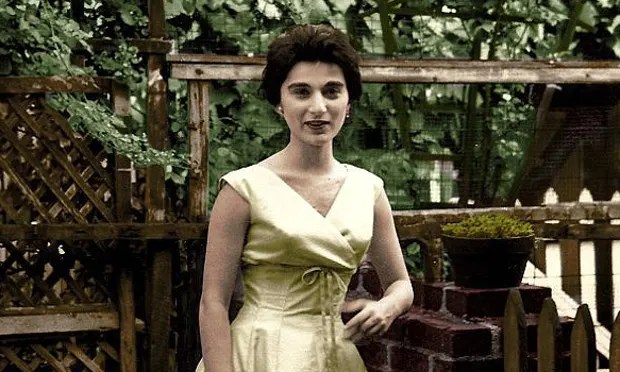
Catherine (Kitty) Genovese was a beautiful, brilliant, and vivacious woman who was taken from this world far too soon by Winston Moseley.

She would go to visit her family most weekends in Canaan, New York. Bill said he loved those visits and felt like he could ask her anything, viewing her as a wealth of knowledge and advice. They would sometimes spend all night chatting and joking, but she wouldn’t speak much of her life in the city.
In fact, he didn’t find out much about her life in the city until he started this quest for the truth. After speaking with some old friends, coworkers, and her roommate Mary Ann Zielonko, he got a much fuller image of her life.
Life in Kew Gardens
Everyone loved Kitty. She was one of those people that everyone wanted to be friends with. She was funny and witty and always knew how to make people laugh. One of her high school friends recalled how great she was at impersonations, especially of their french teacher.
Once she started her life after school, she remained the same. Lively and fun, she was always keeping things light. Her coworkers at Ev’s 11th Hour recall her always ‘goofin’ with ya’. More than that, she was always there when you needed her. She drove one coworker to the hospital when his wife was having their first child. The bar was her home. She fit right in and was one of the boys.

At the bar, she actually got into some trouble. She would take bets from the customers and workers at the bar and give them to the bookie. One time, she got caught in the middle. She was charged and locked up for a bit, resulting in the most famous picture of Kitty.
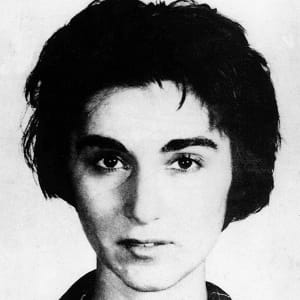
As Bill heard these accounts of his sister, he was a bit shocked. She was a racketeer. He couldn’t imagine his sweet, fun-loving older sister in jail. But as he learned more of her, he seemed to feel more connected to her. More understanding of her life and the beloved person she was. All he had previously known of her life was that she worked in a bar and was briefly married to a man named Rocco.
Kitty’s Romantic Life
Bill reached out to Rocco and tried to understand their relationship a little better. Rocco simply responded, “My relations with Kitty shall remain a mystery forever.” Unfortunately, that was a dead end. But then Kitty’s former coworkers lead Bill in a different direction. Her roommate Mary Ann.
Mary Ann had come home to visit with Kitty several times, and they all had the understanding that they were simply roommates. But her coworkers knew that Kitty and Mary Ann were partners. Bill knew to fully understand Kitty, he needed to speak with Mary Ann.
He reached out to Mary Ann and she agreed to speak with him. She told him that she had blocked out most of that night and the following days. Mary Ann had been woken up by police at the door and had to identify Kitty. All she remembers from this time is a painful fog.
Mary Ann described to Bill, “A trauma can be so bad that it tears you up, but somehow you have to heal. But right now, I haven’t healed. You know that feeling when you feel you could have saved somebody if you only knew? That’s what I feel.” I can only imagine the pain Mary Ann felt, the nightmare she woke up to that morning. She was sleeping soundly while Kitty was downstairs slipping away.
Bill then asked, “What do you think needs to happen for you to heal?”
“I don’t know. I really don’t know.”
Bill and Mary Ann were in the same situation, still torn up about the loss of their loved one decades later. He later states, “After all, Moseley didn’t only kill my sister, he destroyed my family.”
Both Kitty’s mom and dad died from strokes; her mother a year after Kitty’s death and her father when he was 59. And that is the harsh reality of murder. One person’s terrible decisions then destroy entire units of people. Everyone who ever loved the victim has a hole missing from their hearts. It often takes years and hard work to heal.
Many Crimes, Many Victims: One Kitty
First, the focus of Kitty’s murder was the ’38 witnesses’, and I want to be careful that the focus here isn’t the crime of The Times. While yes, The Times is to blame for spreading lies and burying Kitty under the 38, this article isn’t focused on their wrongdoing.
Rather this article is to bring Kitty to the center of her murder as The Times should have done so long ago. It’s important to highlight the fact that Winston Moseley committed a terrible and heinous crime that took a beautiful young woman’s life and destroyed the lives of her loved ones. The Times then stole decades of healing and peace from Kitty’s family for a story, which was the second terrible crime committed against the Genovese family.
Healing, Peace, and Closure
Bill Genovese sacrificed so much doing the work The Times reporters should have done in the first place, but he did it. He sought after the truth to bring him and his family peace. Because of the work he did, his family was finally able to celebrate Kitty’s life.
The Genovese family gathered together at the end of this documentary and finally celebrated and talked about their sister after so many years of silence. Her grandnieces who bore her name finally got to learn about the woman they were named after.
Bill looked around at his family and saw the broken parts starting to heal. “Kitty taught me to never stop asking questions, but I know she’d want me to move on.”
May Kitty Genovese teach us to never stop asking questions in the search for truth in our own lives. Truth brings healing and peace and freedom. May we not take the news and media too seriously, as they have a history of twisting the truth for the sake of a story.
And in the case of the witnesses who did see or hear and did not do anything, may we be like Sophie Farrar and get involved. People need our help. We need each other. Even if we can’t save someone, not being alone is invaluable.
Sources
Many thanks to the incredible sources for today’s article. Most importantly, the documentary “The Witness” and all of the hard work put into it. It brought healing and light to the Genovese family, me, and many others. I suggest watching for any that are interested in knowing more.
I also want to thank Jim Rasenberger for his article “Kitty, 40 Years Later”. You can find the full list of sources below.
 Meditation, Mindfulness and Murder